Rafael Hastings (1942–2020) was one of the most unclassifiable figures in Latin American experimental film and video art. Born in Lima, he studied in Brussels into the orbit of Jean-Luc Godard, Maurice Béjart, and the experimental ferment of 1960s Europe — absorbing cinema, choreography, conceptual art, and countercultural politics before returning to Peru in the early 1970s with an ambition that defied any single medium.
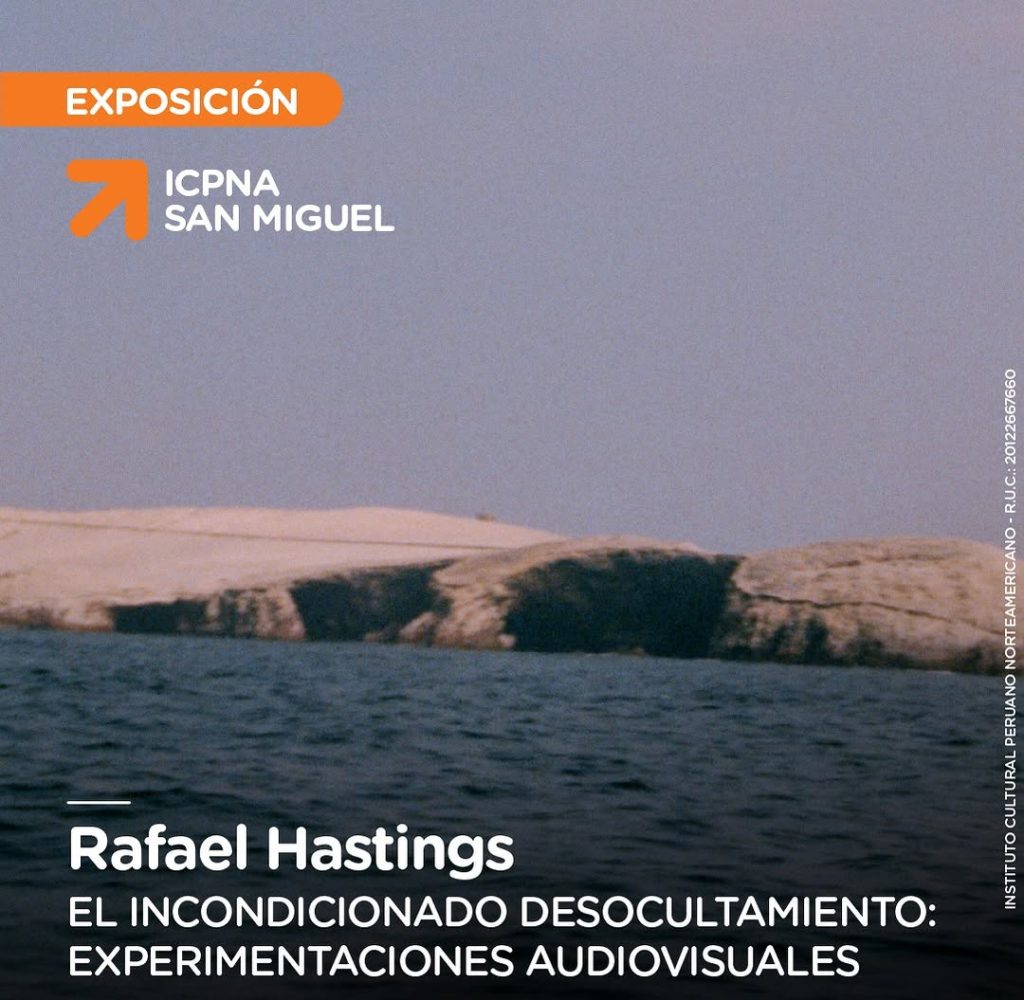
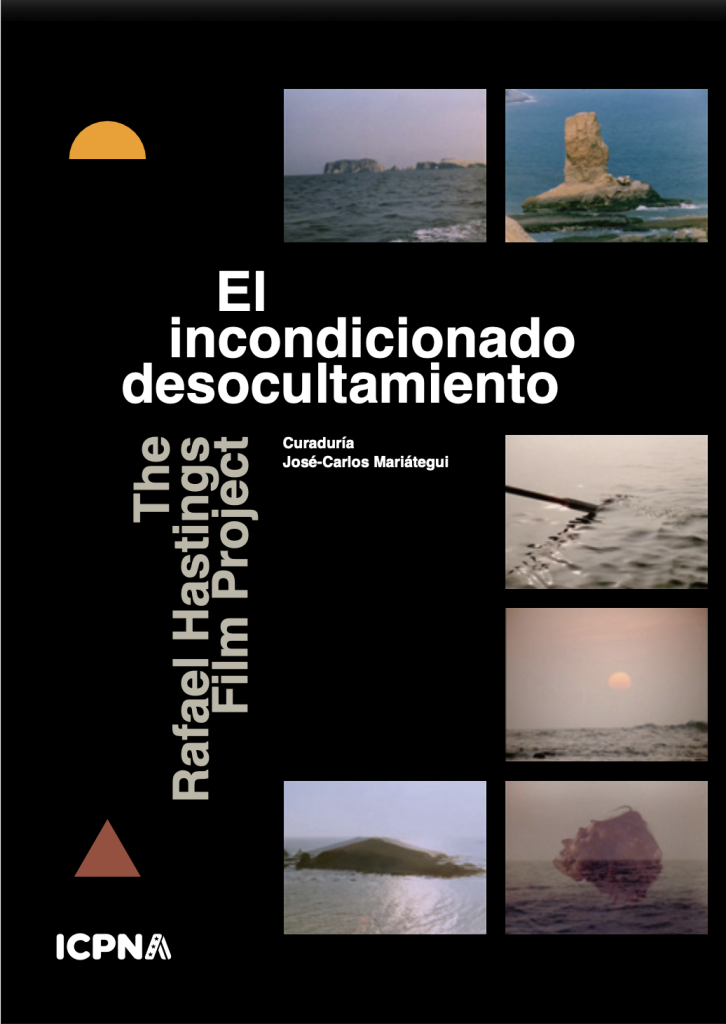
This book revisits a dimension of his practice that has remained almost entirely invisible until now: his work in film and video. At its centre is El incondicionado desocultamiento (1974), a 35mm experimental film believed lost for nearly five decades and recently recovered from the archive of the Filmoteca Española in Madrid. Shot across weeks of travel along the Peruvian coast — through the desert of Paracas and the ancient ceremonial complex of Sechín — the film weaves together pre-Columbian archaeology, Oriental mysticism, and speculative fiction into four short films that meditate on disappearance, transcendence, and the deep time of culture.
Alongside the restored film, and a catalogue raisonné, this book publishes for the first time the complete Diario de filmación — Hastings’ handwritten production notebook and its transcriptions, filled with watercolours, technical calculations, collaged magazine clippings, and poetic instructions to himself — a document that reveals how he worked and thought as a filmmaker. The book includes original contributions by José-Carlos Mariátegui, Fietta Jarque, Natalia Rey de Castro, Jorge La Ferla and Luis Alvarado.
Mariátegui, José-Carlos, ed. 2025. El Incondicionado Desocultamiento. The Rafael Hastings Film Project. Edited by Instituto Cultural Peruano Norteamericano ICPNA. Lima: ICPNA, Instituto Cultural Peruano Norteamericano.